The Truth About Tapwater Toxins
What You Need to Know About Tap Water Toxins
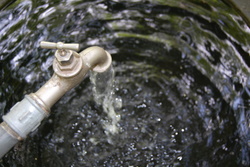
In his book The Ripple Effect, Alex Prud’homme warns that we are facing an imminent global danger of running out of potable water. And although many third world countries already suffer serious problems with access to water, in the U.S., most of people only have to turn on the tap to get water flowing into their homes. However, although our tap water doesn’t cause dysentery, it does contain contaminants and chemicals—including carcinogens—that can cause health problems over time. As Prud’homme explains, these contaminants are increasing at alarming rates.
Fortunately, water filter technology provides some practical ways to deal with the immediate problem. Water filters can eliminate most of the contaminants in tap water. However, many people do not take advantage of this convenient and easily accessible solution. Many think they are protected by water softener technology. To help you determine whether you need a water filter, take this short True/False quiz.
I don’t need a water filter because…
1. The EPA sets standards that make tap water safe.
Trick question. True. The EPA sets standards, but an alarming number of cities don’t meet the standards. Fortunately, you can request a water quality report to make an informed decision about the need for a water filter.
2. We have a bottled water machine.
True. If you also use the pricey bottled water to cook with, you are probably safe. And many of today’s bottled water machines also heat water, so you won’t be uncomfortable when you bathe in it.
3. I already have a water softener.
False. Water softening devices do not remove contaminants from the water. They generally use salt to minimize the hardening effects of minerals. So while a water softener may improve the appearance of your shower tiles, even a salt free water softener won’t do much for the safety of your tap water. To remove contaminants, you need a water softener alternative.
4. A filter on my kitchen tap is enough.
True, if you are willing to run to the kitchen when you want to get a glass of water in the middle of the night. And if you set a schedule, the morning line for brushing teeth at the kitchen sink should move along smoothly.
5. I have well water, so I don’t need a filter.
False. The contaminants that come in through the tap don’t usually come from the city’s pipes. They get into the groundwater—which is where your well water comes from too. In addition, well water can have other particulates that can occasionally cause your tap water to taste like mud.
We may have serious problems facing us in the future, but the immediate problem of contaminants in tap water has a solution: a whole house water filtration system. Why not use it?
Jessica writes about a wide variety of topics. She especially enjoys writing about water. You can learn more about water filter technology at http://www.lifesourcewater.com/

